

According to the Environmental Protection Agency (EPA), more than one in five households, roughly 20% of homes in the United States, rely on these underground systems. When they work, you never think about them. When they fail, they can cost you thousands in repairs.
Unfortunately, most buyers skip a detailed look at what is happening underground. They remain fixated on the kitchen counters or the new roof.
But neglecting the tank can lead to a financial disaster that ruins the joy of a new home. This is exactly why understanding the septic inspection process is so vital.
Why Do I Need a Septic Inspection Before Buying
You might think a standard home inspection covers everything. That is a common mistake that costs people a lot of money.
General home inspectors look at the plumbing inside the house. They make sure the toilets flush and the sinks drain. They rarely dig up the yard to look at the actual tank. Without a specific septic check, you are essentially flying blind.
Real-Life Example
Consider the story of Cindy Krohn in Linwood, Michigan. As reported by Bridge Michigan, Cindy and her husband bought their home on a fixed income and noticed minor drainage issues during the inspection. The tank was pumped, and they were told it was fine. However, the system soon failed completely, leaving them with a repair estimate between $10,000 and $20,000, a cost they simply cannot afford.
This is the main reason why you need a septic inspection. It protects your bank account from hidden, expensive failures. It also protects your health. Failed systems can leak bacteria and nitrogen into the local groundwater.
The Detailed Septic Inspection Process Explained
The actual septic inspection process is much more involved than just looking into a hole. It is a technical evaluation of how your home handles waste.
The inspector usually starts by looking at the official property records. They want to see the original “as-built” plans. These plans show where the tank is located and its dimensions. If those records do not exist, the inspector must locate the tank manually.
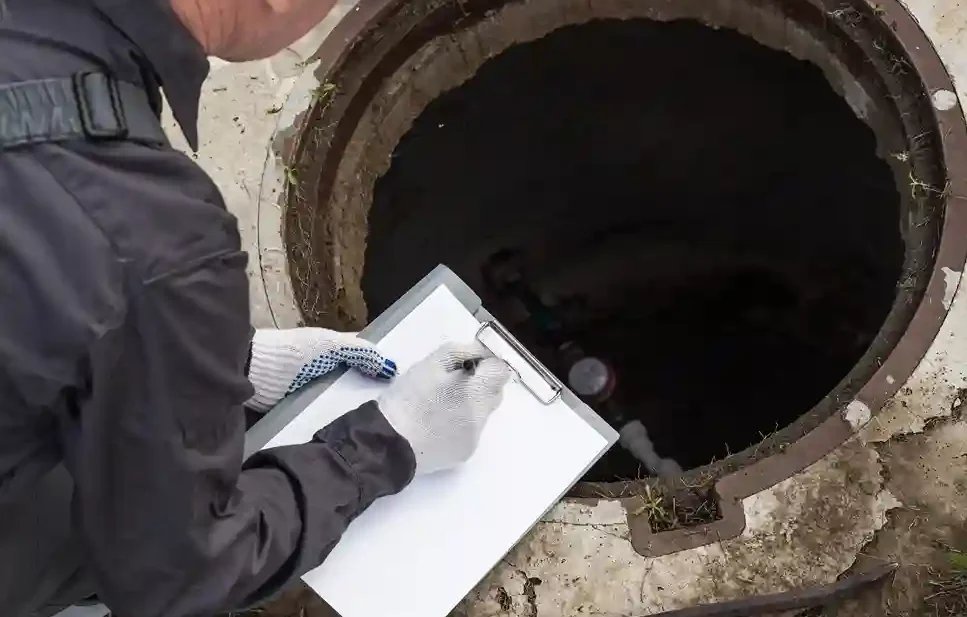
They often use a radio transmitter or a simple metal probe to locate the lid. Once they find it, the real work begins.
Here is what happens during a typical visit:
- The inspector opens the tank lids to check the liquid levels.
- They look for signs of backflow from the house.
- They check the condition of the baffles, which are the pipes that keep solids in the tank.
- They measure the layer of scum and sludge at the bottom.
- They perform a “flow test” by running water in the house for an extended period.
Checking the Drain Field
A big part of the septic inspection process involves the drain field. This is the area of pipes buried in your yard that filter the liquid. If the grass over the drain field is unusually green or spongy, that is a bad sign. It means the liquid is not soaking into the ground correctly.
Using Cameras
The inspector might even use a camera. These tiny cameras go down the pipes to look for cracks or root intrusions. Roots from nearby trees love septic lines because they are full of nutrients. One small root can grow into a massive blockage that destroys the pipe.
What Happens When the Tank Gets Pumped
Most professional inspections require the tank to be pumped out. This is the only way to see the structure’s bottom. A full tank hides cracks in the concrete or plastic walls. It also hides issues with the tank floor.
If an inspector tells you they can do a full check without pumping, be careful. You cannot see what is under four feet of wastewater. Pumping also allows the inspector to see if water flows back from the drain field. If it does, your yard is likely saturated.
This part of the septic inspection process is where most “deal breakers” are found. It is better to find them now than after you sign the closing papers.
Simple Ways to Maintain Your System
Once you know the system is healthy, you have to keep it that way. Maintenance is much cheaper than a total replacement. The golden rule is to be careful about what you flush. Your septic tank is not a trash can. Here’s what else you can do to maintain a functioning septic tank.
- Never flush “flushable” wipes. Despite the name, they do not break down and will clog your system quickly.
- Avoid pouring grease or oil down the kitchen sink. It cools down, hardens, and creates a “fatberg” that blocks your pipes.
- You should also watch your water usage. Doing five loads of laundry in one day can flood the system.
- Space out your water-heavy chores to give the drain field time to recover. It is all about balance.
Protecting Your Investment Through Professional Evaluation
A home is likely the biggest purchase you will ever make. Do not let a buried waste tank turn it into a nightmare.
Understanding the septic inspection process gives you the upper hand during a sale. It provides peace of mind that your yard will stay dry and your drains will stay clear.
If the inspection reveals issues, you can ask the seller to pay for repairs. If you skip it, those repairs are your responsibility alone. Take the time to hire a professional who knows exactly what to look for. It is a small price to pay for long-term security.
If you want total confidence in your next property purchase, reach out to 1st Rate Inspections. We are a professional home inspection company that provides the clarity and detail you need to make an informed decision.
Our team focuses on thorough property maintenance education so you never have to deal with unpleasant surprises underground. Contact us now to schedule your comprehensive septic evaluation.