


Houston winters may be short, but the cold snaps can be strong enough to put real stress on your home.
Many properties here are not built for freezing temperatures, which is why issues like failing heaters, frozen pipes, and worn-out roof materials show up as soon as temperatures drop.
A winter home inspection helps you catch these problems before they turn into costly repairs.
This guide walks you through the key areas to check before the next freeze.
With a simple inspection plan, you can keep your home safe, avoid sudden breakdowns, and stay ready for the colder weather Houston experiences each year.
Why is it Important to Prepare Early
Consider this: the average first frost date in Houston is December 20. And even though the city does not have many days when temperatures drop below freezing, when it does, it can cause significant damage.
An article on winter weather costs states that Texas incurs more than $750 million annually in winter-weather-related costs, noting that the 2021 freeze in Texas was among the costliest.
So when you talk about a winter home inspection in Houston, you’re not just prepping for a brisk breeze; you’re prepping for potential threats to your home’s plumbing, heating, and structure.
What to Check: The Seasonal Home Inspection Checklist
Let’s walk through a practical Houston freeze preparation plan for homeowners to get ready for the chill.
Plumbing and pipes
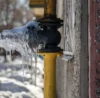
- Check open pipes in unheated areas such as garages, attics, or crawl spaces. Frozen pipes in Houston have led to several broken lines.
- Wrap up outdoor water sprinklers and irrigation. According to the Texas Department of Insurance, it is important to enclose exterior faucets and open pipes before freezing weather.
- Know the main water shut-off valve in your home. In case a pipe bursts, you do not have to wait long to act.
Heating and HVAC Systems
Service your furnace or heat pump. Freeze is not just about low temperatures; it’s also about the dysfunction of stressed heating systems.
One report indicated that the most common causes of HVAC failures in Texas were freezing and power surges. Ensure that there are no obstructions within vents and registers, and that the ducts are insulated.
Insulation, Seals, and Draft Checks
- Ensure attics and external wall insulation are done properly; drafts equal heat loss and an increase in electricity bills.
- Check door and window seals. As temperatures decrease, snow, cold air, or even water can seep in because of poor seals.
- Shave away branches that are over your house and may fall on top of the house in the heavy snow.
Roof, Exterior, and Gutter Drainage
- Clean the gutters and clear away leaves and debris so that when it rains or snow melts, the water drains.
- Examine the roof and check for missing shingles or defective flashing. The wind and freezing weather first attack the weak spots.
- Make sure the downspouts carry water away from the foundation to prevent freeze-thaw damage and leaky manholes.
Safety & Power Readiness
- Test the smoke and carbon monoxide detectors, and replace any outdated ones. Experts recommend they be inspected before winter.
- Think of what would happen if your power is interrupted. The long outages and heat loss during the past winter incidents in Texas caused secondary damage, such as burst pipes.
True Cases From the Houston Area
Here is a solid real-life example:
Plumbers reported an acute influx of service calls due to frozen plumbing after a sudden cold snap over the 2022 Christmas weekend in the Houston region.
In older home areas, such as Montrose and Humble, field supervisor David Robbins reported that they would respond to full-home repiping after the freeze.
In another similar incident, it was estimated that one in four Houston households experienced a leak or disruption of water service during the freeze (Winter Storm Uri) in February 2021.”
These instances demonstrate that anything that slips under your radar during preparation puts your house in actual danger.
Choosing an Inspector
- Inspection should be done in late fall, before the chill arrives. Being ahead of the cold means you can deal with problems before they escalate into a freeze emergency.
- Select an inspector of the home who is familiar with the weather conditions in Houston and with the unique difficulties encountered by the Gulf Coast freezes, such as low humidity, severe winds, and electric power system issues.
- Request a detailed report, photos, and recommendations. Make it your list of actions to accomplish whatever repairs or upgrades are required.
Benefits of Doing it Now
- Freedom from worry that your house is prepared for cold weather.
- Lower chance of emergency repairs, many of which can be expensive in Houston.
- Enhanced energy efficiency in winter seasons. Reduced heating costs and drafts.
- A secured residential environment, reduced surprises (busted pipes, combustion problems, or mold due to water infiltration).
The standards alignment of HUD is intended to focus on health and safety. Properties that invest in sound alarms, moisture control, and high-quality inner units usually achieve positive scores and minimal urgent repair requests. It results in reduced fixed and operational costs.
Conclusion
Procrastination will not help when the thermometer is destined to drop to below zero. Use this checklist to inspect your pipes, heater, seals, and roof. Bring your house to life, and rush to secure your investment.
Are you ready to make your place freeze-ready? Contact 1st-rate Inspections, your partner for home inspections in the Houston region.
We are experts in winter-readiness audits and can produce reports for you. Get your winter home inspection in Houston scheduled today and rest easy knowing you’re ready for whatever winter brings.